Popular Posts
If you’re asking what does a carpenter do, the answer goes far beyond cutting wood. Carpenters are pretty clever multitasking craftsmen, and job duties can vary from chippy to chippy.
They are skilled tradespeople who work across the construction industry building, installing and repairing structures made from wood and other materials. From residential homes to commercial construction projects, carpenters play a vital role in creating safe, functional and durable building structures.
They combine practical skills, technical knowledge and hands on work to turn plans into finished results. Here’s a closer look at what does a carpenter do, the duties involved, and what the job really includes on a typical construction site.
What Do Carpenters Do?
Carpenters construct, install and repair structures using wood and other materials. They are involved in a wide range of construction projects, including erecting building frames, roofs, floors, ceiling frames, and even large-scale infrastructure.
Most carpenters work on construction sites, in residential homes or commercial buildings. Carpenters typically work alongside project managers and other trades to ensure everything aligns with technical drawings and building codes.
A typical job includes:
- Reading technical drawings and plans
- Measuring and cutting building materials
- Using hand and power tools safely
- Assembling and installing wooden structures
- Installing doors, window frames and skirting boards
- Repair structures and existing structures when needed
Carpenters measure, cut and shape wood and other building materials with precision. They use a range of carpentry tools, including chisels, saws, sanders and nail guns. From there, they assemble materials to create fittings and building structures ready for installation.
Depending on the project, carpenters may also work at heights, construct pitched roofs, or use rigging equipment on the job site.
In short, carpenters work on everything from structural framing to detailed finishing work, contributing to both residential and commercial building and construction.
Types of Carpentry
Rough Carpenters
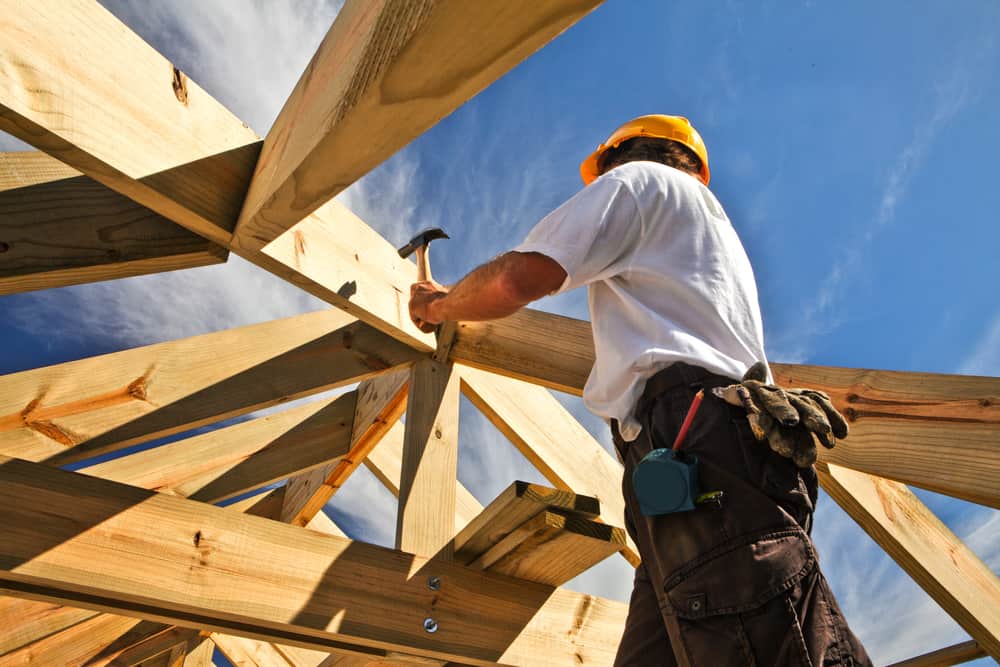
A rough carpenter focuses on structural work. This includes framing structures, scaffolding, floor systems and support beams. Rough carpenters are responsible for creating structures that form the foundation of a building.
Green carpenters often start in rough carpentry during their apprenticeship to build core carpentry skills and gain hands on training on a construction site.
Finish Carpenters
Finish carpenters handle the detailed, visible work that impacts the final look of a space. This includes installing doors, staircases, trims and decorative features.
Finish carpenters must carefully shape wood, complete precise material selection, and ensure high levels of customer satisfaction.
Joiners & Cabinet Makers
Cabinet making and furniture making are specialised areas of carpentry. These carpenters focus on building cabinets for kitchens and bathrooms, as well as custom furniture and custom woodworking projects.
Some carpenters in this area may also explore furniture design and operate from dedicated workshops equipped with specialised tools.
What Skills Do Carpenters Need?
Carpentry requires a mix of technical knowledge, practical skills and physical ability.
A good carpenter needs:
- Strong mathematical and measurement skills
- The ability to read technical drawings
- Knowledge of different wood types and other building materials
- Physical stamina to manage the physical demands of construction
- Strong problem solving skills
- Confidence using tools and maintaining tools properly
Carpenters must understand how to shape wood, follow traditional methods and modern techniques, and comply with Australian building codes.
Because carpentry requires attention to safety, carpenters must wear protective equipment such as safety glasses and steel-toed boots on every job site.
What’s The Difference Between a Carpenter and a Builder
To put it simply, a carpenter builds the woodwork of a structure and is contracted by a builder who supervises their work. A builder might be contracted by a business owner or architect, or work for themselves. If you’re interested in learning more about a career in the construction industry, check out our guide on the different types of builders in Australia.
A builder manages the broader building and construction process. They coordinate trades, timelines and compliance.
While carpenters are qualified tradies, they need to complete further studies in building and construction to become a licensed builder. Many carpenters who complete their apprenticeship later move into management roles or start their own business.

How Much Does a Carpenter Earn?
Carpenters are often in high demand across Australia, particularly in residential and commercial construction.
According to industry data, the average carpenter salary in Australia is approximately $95,000 per year. Entry-level employment can start around $76,575 per year, while experienced carpenters can earn significantly more depending on their skill set, location and project complexity.
Do carpenters get paid well in Australia? With the right skills, experience and specialisation, carpenters can earn a substantial income. Those who work independently or operate their own business often increase their earning potential further.
How to Become a Carpenter
To work as a qualified carpenter in Australia, you must complete a carpentry apprenticeship.
A carpentry apprenticeship typically runs for four years and includes both on the job training and off the job training delivered through a registered training organisation.
During your apprenticeship, you develop practical skills on a construction site while completing formal training such as Certificate III in Carpentry. Some people choose to complete a pre apprenticeship or Certificate II before starting their apprenticeship to strengthen their skills and improve employment opportunities.
A pre apprenticeship can give you hands on training, exposure to carpentry tools and insight into the construction industry before committing to a full apprenticeship.
Upon completion of your apprenticeship, you become a qualified carpenter and can pursue a range of career pathways within building and construction.
Major Training also offers government subsidised training, helping students access nationally recognised qualifications in carpentry.
Is Being a Carpenter Worth It?
If you enjoy hands on work, building structures and working with wood and other materials, carpentry can be a rewarding career.
Carpenters contribute to creating structures that last for decades. With proper training, commitment and a strong work ethic, carpentry offers long-term employment opportunities and career progression.
If you’re ready to take the first step to become a chippy, learn more about starting your carpentry apprenticeship and building a career in the construction industry.


