Enjoy practical outdoor work and working at heights? Enjoy handling real responsibility? A career as a rigger could be a great fit.
Riggers use pulleys, winches, cables, and ropes to safely move heavy loads across worksites, including machinery and structural steel. They also complete essential load calculations and play a key role in construction and engineering projects.
This guide explains how to become a rigger in Australia through dogging and rigging courses. It includes the required tickets, licence levels, training, pay, and career pathways.
What Does a Rigger Do on Construction Sites?
A rigger is responsible for setting up and moving heavy equipment, and other heavy objects, safely with mechanical load-shifting equipment and rigging gear. The job includes planning each lift. Protecting workers and keeping structures stable are also essential parts of the role. Rigging is heavily regulated because it involves heavy loads and complex structures.
Riggers work on construction projects involving structural steel, tower cranes, tilt slabs, and plants. They also find work on mine sites and industrial facilities. You will even find them in the entertainment industry, where temporary structures and suspended equipment must be positioned safely.
Core Rigging Tasks, Tools and Equipment
Before each job, riggers read work instructions and calculate loads. They inspect lifting equipment and choose the right rigging equipment for the materials being moved. They select and attach the right gear for each lift, then direct crane operators when a load moves out of sight.
Common tasks include:
- Erecting structural steel and placing precast members.
- Installing safety nets, static lines, and perimeter screens.
- Using ropes, pulleys, winches, and other power-assisted tools.
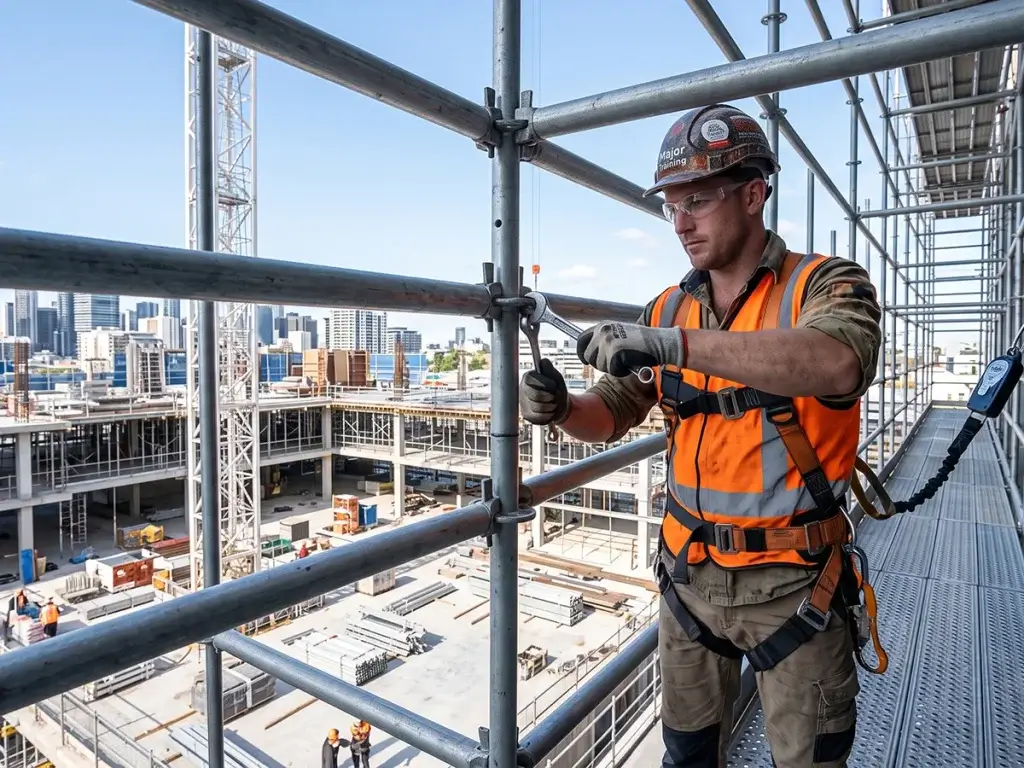
- Setting up or dismantling cranes, hoists, and selected scaffolding.
- Managing hazards, exclusion zones, and risk controls at the site.
The work is hands-on and physically demanding. A good rigger needs strength, balance, and attention to detail. Sound numeracy and the confidence to stop a lift when conditions aren’t safe are also required.
Steps and Entry Requirements: How to Become a Rigger
Pursuing a career as a rigger takes physical preparation and general safety credentials. Formal certification is also required. The route is sequential: build basic knowledge and demonstrate competency through practical assessment. Then, obtain the licences needed to perform high-risk work.
- Finish school and prepare physically. Employers generally expect Year 10, a high school diploma, or an equivalent level of education. Build the fitness needed to handle equipment and climb. You must also be prepared to work outdoors.
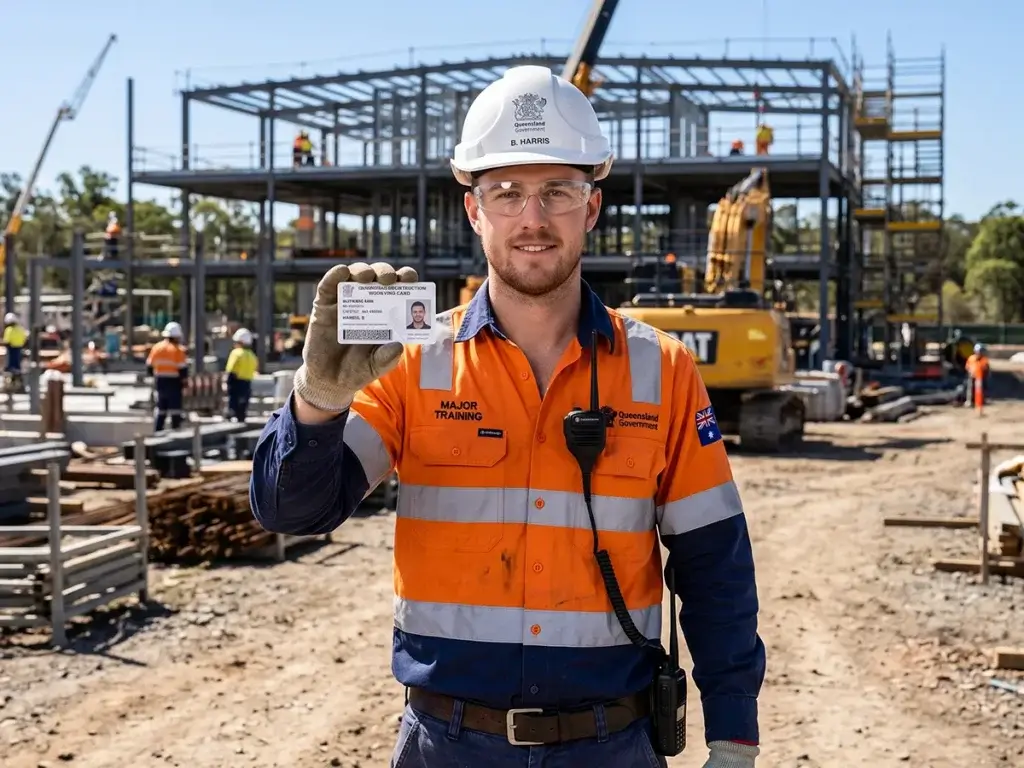
- Get a White Card. Complete a Construction Induction Card (White Card) course before entering operational construction sites.
- Complete dogging training. You must obtain a current Dogging Licence before enrolling in rigging courses.
- Complete Basic Rigging. Take the Licence to Perform Rigging Basic Level course and pass its theory and practical components.
- Move through higher licence classes. Add intermediate rigging and then advanced rigging. You can pursue these when your job and career goals require them.
- Apply for the relevant HRW licence. After successful completion and assessment, lodge your application with your state or territory regulator within its deadline.
You must be at least 18 to apply for a high-risk work licence. Course entry requirements can also include English literacy and a language, literacy, and numeracy check. Identity documents, safety boots, and prerequisite licences are also required.
Rigging Qualifications and Training
Training combines classroom theory with practical rigging applications. Students learn load calculations, equipment inspection, hazard controls, communication techniques, and risk management. They then demonstrate their knowledge and hands-on skills to an accredited assessor.
The CPC30720 Certificate III in Rigging is a nationally recognised qualification. It covers essential skills and safety protocols for dogging and rigging in the construction industry. It may be completed through a training contract or apprenticeship, but the qualification doesn’t replace the relevant HRW licence. Licence units must be delivered by approved registered training organisations.
Basic Rigging Course and Licence
The Basic Rigging Licence course covers CPCCLRG3001 Licence to Perform Rigging Basic Level. This basic course allows qualified work involving structural steel, particular hoists, precast members, and mast climbers. The work also involves safety nets, static lines, perimeter screens, and cantilevered loading platforms.
Major lists the course as five days at its Gold Coast and Morayfield facilities, with workplace delivery options. Successful completion earns a nationally recognised Statement of Attainment after written and practical assessment.
Intermediate Rigging Licence and New Skills
The Intermediate Rigging course adds work with cranes, conveyors, dredges, excavators, demolition, dual lifts, and tilt slabs. You’ll need a Dogging Licence and Basic Rigging before you can obtain the RI class.
Major offers a five-day intensive course and a formal pathway that can include 40–100 supervised workplace logbook hours. Those hours must be completed under an appropriately licensed operator and verified by the employer.
Advanced Rigging Licence and Scaffolding Work
The Advanced Rigging course is the final step through the intermediate and advanced levels. An advanced rigger can handle gin poles, shear legs, flying foxes, cableways, guyed derricks, and suspended or fabricated hung scaffolds. You must already hold, or have passed the assessment for, dogging. Both RB and RI are also required.
How Long Does It Take to Become a Rigger?
A single Major rigging course is generally five days, but becoming job-ready takes longer. You need time for prerequisite tickets, study, assessment, the licence application, and supervised experience. The full timeline depends on your current position and prior skills. The licence level your employer needs also determines this.
If you follow an apprenticeship or other supervised training route, you must log the mandated number of supervised hours in your training plan. A formal intermediate pathway can take up to six months to complete. Experienced workers may qualify for shorter logbook requirements or Recognition of Prior Learning.
Rigger Salary in Australia
Pay varies by location, licence class, roster, overtime, and sector. A practical guide to annual earnings is:
- Apprentice, trainee or entry-level rigger: $ 65,000– $85,000
- Qualified mid-level rigger: $ 85,000–$ 105,000
- Experienced or advanced rigger: $ 105,000–$ 125,000
Reported benchmarks also put the average salary for a construction rigger at $104,954 per year and the national average salary for a rigger at $133,485. Treat any average as a guide. Remote mine sites, shutdowns, and allowances can lift earnings. Metropolitan base rates may be lower.
What Licences Do You Need to Become a Rigger?
You need a White Card to enter construction sites and an HRW licence for the class of rigging work you perform. Queensland’s official rigger licence guide explains the RB, RI, and RA scopes. Licences are nationally recognised and normally valid for five years.
In Queensland, complete training through an approved RTO. Pass the theory and practical assessment, and then follow WorkSafe Queensland’s HRW licence application process. Check local rules if you work elsewhere. Use Major’s High Risk Work courses for further information about available training.
Career Progression for an Advanced Rigger
Once you’ve gained site experience, career progression can lead to advanced rigging, lift supervision, team leadership, or crane-related work. Some riggers specialise in large civil construction, shutdowns, mining, entertainment, or complex industrial projects.
Keep building new skills. Refresher training, equipment-specific competency checks, and clear communication help you stay useful as cranes, tools, and procedures change across the industry.
Ready to Start? Book a Rigging Course
Build your rigging career with Major Training. Explore Dogging and Rigging courses at the Gold Coast and Morayfield training facilities, with Brisbane-area and suitable workplace options. Interested in the right starting point? Call 1300 790 822 for additional information.
Frequently Asked Questions
Do You Need an Apprenticeship to Become a Rigger?
Not always. You can complete the required HRW licence classes directly. A Certificate III may be undertaken through an apprenticeship or training contract. Apprentices and workers on supervised pathways must record the hours specified in their plan.
Do You Need a Dogging Licence Before a Rigging Course?
Yes. A valid Dogging Licence (or a previously passed dogging assessment) is a prerequisite for Basic Rigging. It confirms you can select lifting gear, sling loads, and direct a crane operator safely.
What’s the Difference Between Basic, Intermediate and Advanced Rigging?
RB covers dogging, structural steel, and specified safety systems. RI adds cranes, conveyors, demolition, dual lifts, and tilt slabs. RA includes all lower classes plus gin poles, cableways, guyed structures, and suspended scaffolds.
How Much Does a Qualified Rigger Earn?
Qualified mid-level riggers commonly target $85,000–$105,000. Experienced riggers may earn $105,000–$125,000. Actual pay changes with the job, location, roster, licences, and industry.
Is Rigging a Physically Demanding Career?
Yes. Riggers climb, work outdoors, handle gear, and stay alert around moving loads. Fitness matters, but so do planning, load knowledge, communication, and a safety-conscious approach.
Learn More About Rigging Careers
Ready to prepare for your next construction role? Check out the following articles:

Become a Rigger Today
Enrol in a nationally recognised dogging and rigging course to enter the field and earn while you learn. Funding available.