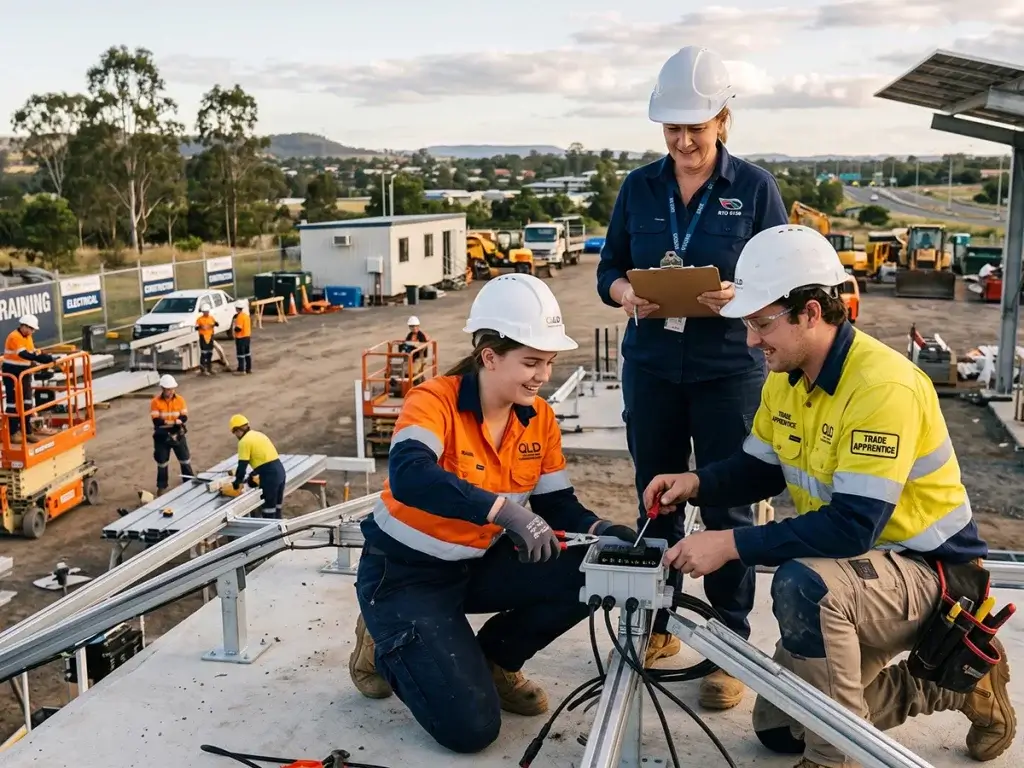
For too long, Australia has treated trades and university as opposing career paths, one academic and prestigious, the other hands-on and often seen as second-best. But this black-and-white view of trades vs university no longer fits how modern careers work.
The real conversation should focus on fit, not prestige. Because trades aren’t second-tier — they’re legitimate, respected, and vital to Australia’s future workforce.
Different Paths, Same Goal: A Fulfilling Career
Every student is different. Some thrive in structured academic settings. Others shine in practical, on-the-job environments.
What matters most isn’t which path someone takes it’s whether they’re learning in a way that suits their strengths and leads to sustainable, meaningful employment.
University is a great fit for many. But so is vocational education and training (VET). These aren’t better or worse paths — they’re different ways to reach the same goal: a career that aligns with your values, your learning style, and your future ambitions.
Why Trades Deserve More Respect
The perception that trades are a “Plan B” has lingered far too long. It’s time to set the record straight.
Here’s what trade careers really offer:
- Strong starting salaries with high demand across sectors
- Nationally recognised qualifications
- Job-ready skills that transfer across industries
- Clear pathways from apprentice to qualified tradie, site manager, or business owner
- Vital roles in construction, logistics, energy, and infrastructure
These careers aren’t fallback options. They’re essential. They’re future-proof. And they’re full of opportunity.
Australia Needs Trades More Than Ever
We’re experiencing critical skills shortages in core trades — including electrical, carpentry and civil construction just to name a few.
As infrastructure projects grow and our population expands, Australia needs more hands-on professionals — not fewer.
It’s not just about filling jobs. It’s about meeting national demand and ensuring we have the workforce to build, power, and connect our communities.
It’s Time to Talk About Fit — Not Comparison
The way we talk about career choices in schools, households, and career counselling needs to change.
Instead of defaulting to university, the conversation should start with questions like:
- What are you good at?
- What type of learning do you enjoy?
- Where do you want to be in five years?
Some people are wired for hands-on work. They want to learn by doing, earn while they train, and go straight into meaningful jobs. For them, trade careers aren’t a backup — they’re the best possible fit.
Final Thought
It’s not trades vs uni. It’s trades and uni. And more importantly, it’s about choosing the path that fits you.
Let’s stop funnelling students into degrees they don’t need or want. Let’s respect every pathway and support trades as smart, strategic careers that fuel Australia’s economy and open doors to success.

Ready to Build a Future-Proof Career?
Australia’s workforce is evolving, and high-demand trades offer a direct, respected path to success. Don’t just default to uni—choose a qualification that aligns with your strengths. Explore our range of industry-recognised training programs and secure your future today.